
 Reviewed by Dr. Golsa Gholampour, MD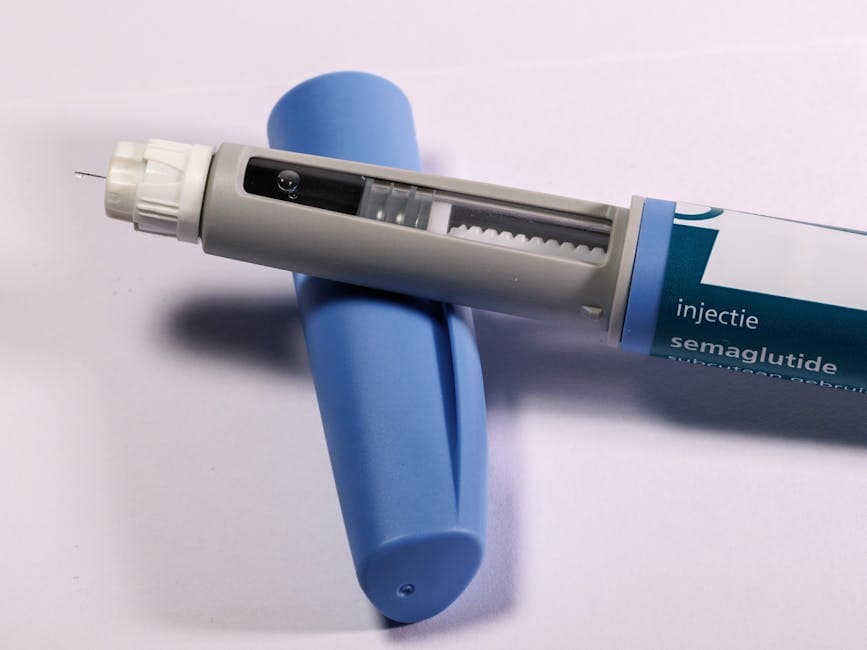
Medically reviewed by a licensed healthcare professional. Last updated March 2026.
How Zepbound Dosing Works
Zepbound (tirzepatide) is a dual GIP/GLP-1 receptor agonist FDA-approved for chronic weight management in adults with a BMI of 30 kg/m² or greater, or 27 kg/m² or greater with at least one weight-related comorbidity[1][2]. Unlike semaglutide medications that only activate GLP-1 receptors, tirzepatide simultaneously activates both the GIP (glucose-dependent insulinotropic polypeptide) and GLP-1 receptors[1]. This dual mechanism is a key reason why Zepbound has shown greater average weight loss than semaglutide in clinical trials.
- Using the SURMOUNT-1 efficacy estimand, the 10 mg dose produced 21.4% body weight loss at 72 weeks, 1.1 percentage points below the 15 mg dose.
- Zepbound's titration starts at 2.5 mg weekly and reaches the 15 mg maximum no sooner than week 21, about 5 months minimum.
- Using the SURMOUNT-1 efficacy estimand, the 5 mg dose produced 16.0% average body weight loss over 72 weeks.
- About 6 to 7% of patients discontinued the 15 mg dose due to adverse events, compared to approximately 4% on lower doses.
The dosing schedule follows a step-up approach with a minimum of four weeks at each level[4]. The goal is to find the dose that produces the best balance of weight loss and tolerability for your individual situation.
Complete Zepbound Dose Escalation
| Step | Dose | Duration | Purpose |
|---|---|---|---|
| 1 | 2.5 mg weekly | Weeks 1 to 4 | Initiation. Sub-therapeutic dose to acclimate your system. |
| 2 | 5 mg weekly | Weeks 5 to 8 | First therapeutic dose. Meaningful weight loss begins. |
| 3 | 7.5 mg weekly | Weeks 9 to 12 | Intermediate dose for patients who need more than 5 mg. |
| 4 | 10 mg weekly | Weeks 13 to 16 | Higher therapeutic dose. Many patients find their sweet spot here. |
| 5 | 12.5 mg weekly | Weeks 17 to 20 | Second intermediate dose. |
| 6 | 15 mg weekly | Week 21+ | Maximum dose. Used if lower doses have not produced adequate results. |
The minimum time from starting dose to maximum dose is 20 weeks (about 5 months). Most providers escalate conservatively, so reaching 15 mg often takes 6 to 8 months in practice[4].
Key point: Not every patient needs to reach 15 mg. Using the SURMOUNT-1 efficacy estimand, average body weight loss at 72 weeks was 16.0% with 5 mg and 21.4% with 10 mg[3]. Dose escalation should be guided by your progress and tolerability, not by a goal of reaching the highest dose.
How Zepbound Differs from Mounjaro
Zepbound and Mounjaro contain the same active ingredient (tirzepatide) at the same doses. The difference is purely regulatory[1][2]:
| Feature | Zepbound | Mounjaro |
|---|---|---|
| Active ingredient | Tirzepatide | Tirzepatide |
| FDA indication | Chronic weight management | Type 2 diabetes |
| Available doses | 2.5, 5, 7.5, 10, 12.5, 15 mg | 2.5, 5, 7.5, 10, 12.5, 15 mg |
| Insurance coverage | Weight loss formularies | Diabetes formularies |
| Manufacturer | Eli Lilly | Eli Lilly |
If you are prescribed Mounjaro off-label for weight loss, you are getting the exact same medication at the exact same doses. The practical difference comes down to insurance coverage and cost. Some insurance plans cover Mounjaro for diabetes but not Zepbound for weight loss, or vice versa.
What to Expect at Each Dose
2.5 mg (Weeks 1 to 4)
The starting dose introduces tirzepatide to your system[4]. Even at this low dose, many patients notice appetite changes sooner than they did on GLP-1-only medications. This may be because of the added GIP receptor activity[1].
Nausea can occur during dose initiation and escalation. Clinical trials reported nausea across maintenance-dose groups rather than specifically during the first week at 2.5 mg, so an exact first-week rate is not established[1]. Weight loss is usually modest at this level.
5 mg (Weeks 5 to 8)
The first clinically effective dose. Using the SURMOUNT-1 efficacy estimand, the 5 mg group lost 16.0% of body weight over 72 weeks[3]. Appetite suppression becomes clearly noticeable, and food portions naturally shrink.
Many patients lose 5 to 8 pounds during this 4-week period. If you are tolerating this dose well and seeing steady progress, some providers will keep you here rather than escalating.
7.5 mg (Weeks 9 to 12)
An intermediate step that helps bridge the gap between 5 and 10 mg. Not every prescriber uses this dose as a stopping point, but it serves an important role in reducing the side effect burden of a direct 5-to-10 jump.
10 mg (Weeks 13 to 16)
This is the dose where many patients find their optimal balance. Using the SURMOUNT-1 efficacy estimand, average body weight loss was 21.4% at 10 mg and 22.5% at 15 mg over 72 weeks, a difference of 1.1 percentage points[3]. Individual response and tolerability should guide whether to escalate.
If you are losing weight steadily at 10 mg with manageable side effects, staying at this dose is a perfectly reasonable long-term strategy.
12.5 mg (Weeks 17 to 20)
Another bridging dose between 10 and 15 mg. Useful for patients who want to try a higher dose but want to make the transition gradually.
15 mg (Week 21+)
The maximum dose. Using the SURMOUNT-1 efficacy estimand, the 15 mg group lost 22.5% of body weight on average at 72 weeks[3]. This dose is reserved for patients who have not achieved their goals at lower doses and who tolerate tirzepatide well.
GI side effects at 15 mg can be more pronounced. About 6 to 7% of patients in the SURMOUNT-1 trial discontinued the 15 mg dose due to adverse events, compared to approximately 4% on lower doses[3].
Dose Optimization Strategies
Finding the right dose is not always a straight path up the escalation chart. Here are strategies that experienced providers use:
Extended dose steps. If you are responding well at a given dose, your provider may keep you there for 8 to 12 weeks instead of the minimum four. There is no rush to escalate.
Dose reduction. If you reach 15 mg but side effects are persistent, stepping back down to 10 or 12.5 mg is reasonable. Weight maintenance at a lower dose can work well if you have already lost significant weight.
Staggered escalation. Some providers alternate weeks at two different doses (for example, 10 mg one week and 12.5 mg the next) to smooth the transition. This is off-label but used clinically.
Pausing escalation during stressful periods. Travel, illness, or high stress can amplify side effects. Staying at your current dose during these times and escalating later is smart medicine.
Missed Dose Protocol
The protocol matches other weekly GLP-1 medications[5]:
- Within 4 days of the missed dose: Take it as soon as you remember, then resume your regular day
- More than 4 days since the missed dose: Skip it and take the next dose on your regular scheduled day
- Multiple missed doses: Contact your provider. You may need to step back to a lower dose before resuming
Compounded GLP-1 medications are not FDA-approved. While legal during FDA-recognized drug shortages, they do not undergo the same rigorous testing as brand-name drugs. Always verify your provider uses a licensed 503A or 503B compounding pharmacy.
Beyond Weight Loss: Sleep Apnea
Tirzepatide has also been studied for conditions beyond weight management. The SURMOUNT-OSA trials demonstrated that tirzepatide significantly reduced apnea-hypopnea index events in adults with moderate-to-severe obstructive sleep apnea and obesity, with approximately 50% of participants achieving OSA resolution[6]. Based on this evidence, the FDA approved Zepbound as the first medication indicated for obstructive sleep apnea in adults with obesity[7].
Pen and Storage Information
Zepbound single-dose pens should be stored in the refrigerator (36 to 46 degrees F) until use. If needed, a single-dose pen can be kept at room temperature (up to 86 degrees F) for up to 21 days and should not be returned to the refrigerator[4]. The multi-dose Zepbound KwikPen has a separate limit: discard it after 30 days at room temperature, 30 days after first use, or four weekly doses, whichever comes first[4].
Do not freeze Zepbound pens. Do not use a pen if it has been frozen. Protect pens from direct sunlight and extreme heat.
Ready to start your weight loss journey? Find a GLP-1 clinic near you and connect with a qualified provider today.
Medical Disclaimer: This content is for informational purposes only and does not constitute medical advice, diagnosis, or treatment. Individual results vary. Always consult a qualified healthcare provider before starting, stopping, or changing any medication. If you are experiencing a medical emergency, call 911.
Sources
U.S. National Library of Medicine. DailyMed. ZEPBOUND (tirzepatide) injection, solution -- full prescribing information. Updated 2024. Available at: https://dailymed.nlm.nih.gov/dailymed/drugInfo.cfm?setid=487cd7e7-434c-4925-99fa-aa80b1cc776b
U.S. Food and Drug Administration. FDA Approves New Medication for Chronic Weight Management. November 8, 2023. Available at: https://www.fda.gov/news-events/press-announcements/fda-approves-new-medication-chronic-weight-management
Jastreboff AM, Aronne LJ, Ahmad NN, et al. Tirzepatide Once Weekly for the Treatment of Obesity. N Engl J Med. 2022;387(3):205-216. doi:10.1056/NEJMoa2206038. PMID: 35658024. Available at: https://pubmed.ncbi.nlm.nih.gov/35658024/
U.S. National Library of Medicine. DailyMed. ZEPBOUND (tirzepatide) -- Dosage and Administration. Available at: https://dailymed.nlm.nih.gov/dailymed/drugInfo.cfm?setid=487cd7e7-434c-4925-99fa-aa80b1cc776b
U.S. National Library of Medicine. DailyMed. ZEPBOUND (tirzepatide) -- Missed Dose Instructions. Available at: https://dailymed.nlm.nih.gov/dailymed/drugInfo.cfm?setid=487cd7e7-434c-4925-99fa-aa80b1cc776b
Malhotra A, Grunstein RR, Fietze I, et al. Tirzepatide for the Treatment of Obstructive Sleep Apnea and Obesity. N Engl J Med. 2024;391(13):1193-1205. doi:10.1056/NEJMoa2404881. PMID: 38912654. Available at: https://pubmed.ncbi.nlm.nih.gov/38912654/
U.S. Food and Drug Administration. FDA Approves First Medication for Obstructive Sleep Apnea. December 20, 2024. Available at: https://www.fda.gov/news-events/press-announcements/fda-approves-first-medication-obstructive-sleep-apnea