
 Reviewed by Dr. Golsa Gholampour, MD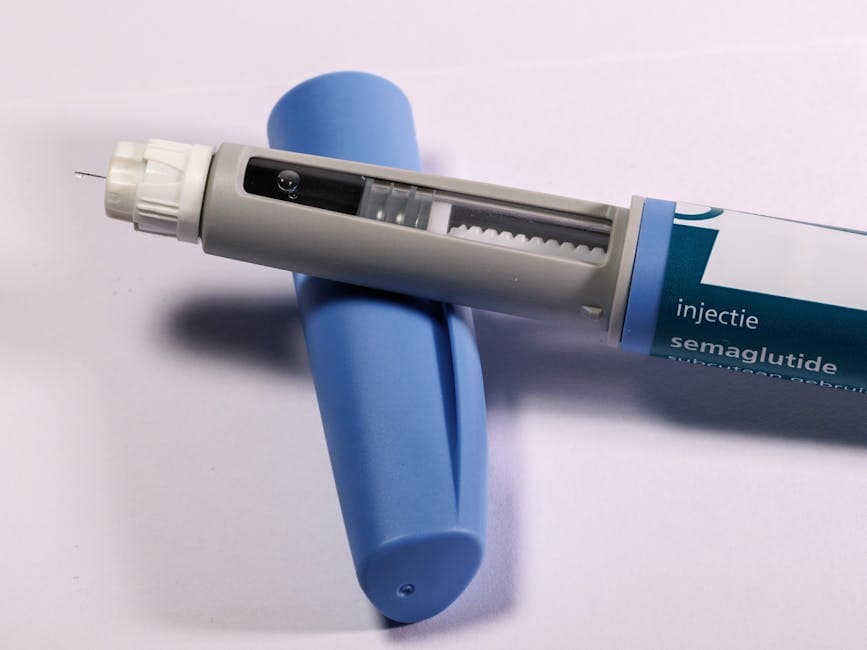
You started Ozempic expecting the kind of dramatic weight loss you have seen all over social media. Months later, the scale has barely budged. Or maybe you lost weight at first and now everything has stalled. Either way, you are frustrated, confused, and wondering if something is wrong.
- Ozempic's 0.25 mg and 0.5 mg starting doses are not therapeutic, so weight loss before weeks 8 to 12 may be premature to judge.
- The STEP 1 trial showed 14.9% average body weight loss at 2.4 mg semaglutide, but that result came over 68 weeks, not months.
- Medications like paroxetine, mirtazapine, olanzapine, and corticosteroids can partially cancel out Ozempic's weight loss effects.
- A few nuts, olive oil, and a glass of wine can quietly add 600 to 800 calories that reduced appetite alone won't offset.
You are not alone. This is one of the most common concerns I hear from people using GLP-1 medications, and the good news is that there is almost always a fixable reason behind it.
Let me walk you through the eight most common reasons people do not lose weight on Ozempic, what you can actually do about each one, and when it might be time to consider a different approach entirely.
1. Your Dose Is Still Too Low
This is the number one reason people feel like Ozempic is not working, and it is also the most straightforward to fix.
Ozempic uses a titration schedule. You start at 0.25 mg for the first four weeks, then move to 0.5 mg, and eventually up to 1.0 mg or 2.0 mg. The starting doses (0.25 mg and 0.5 mg) are not therapeutic doses for weight loss. They exist to let your body adjust and minimize side effects.
If you are still in the first 8 to 12 weeks, you may simply not have reached a dose that produces meaningful appetite suppression and weight loss. The clinical trials that showed 14.9% average body weight loss used semaglutide at 2.4 mg (the Wegovy dose), which is even higher than Ozempic's maximum.
What to do: Be patient through the titration period. Track your appetite changes, not just the scale. If you have been at 1.0 mg for more than 8 weeks without results, talk to your provider about increasing to 2.0 mg or switching to Wegovy (which goes up to 2.4 mg). Use our semaglutide dosage chart to understand the full titration timeline.
2. You Have Not Given It Enough Time
This sounds dismissive, but it is genuinely important. Social media has created unrealistic timelines. Someone posts about losing 30 pounds in two months, and suddenly your 8 pounds in three months feels like failure.
In the STEP 1 clinical trial, participants on semaglutide 2.4 mg lost an average of 14.9% of body weight over 68 weeks. That is nearly 17 months. The weight loss curve is steepest in the first 6 months and then gradually flattens out as you approach a new equilibrium.
If you have been on Ozempic for less than 4 to 6 months at a therapeutic dose, you may simply need more time.
What to do: Set realistic expectations. Aim for 1 to 2 pounds per week at most. Take progress photos and measurements in addition to weighing yourself. Weight fluctuates daily due to water, food, and hormones. Look at the trend over weeks, not days.
3. Your Diet Needs Attention
Here is the honest truth that a lot of GLP-1 content glosses over: Ozempic is not magic. It reduces your appetite and slows gastric emptying, which naturally leads to eating less. But if you are still consuming calorie-dense foods in smaller amounts, the math might not work in your favor.
A handful of nuts, a couple of tablespoons of olive oil, and a glass of wine can easily add 600 to 800 calories that your reduced appetite did not account for. Liquid calories are especially sneaky because they do not trigger the same fullness signals.
Some people also develop what I call the "Ozempic permission effect," where they feel like the medication is handling everything, so they stop paying attention to what they eat. The medication reduces your appetite. It does not change your food choices.
What to do: Track your food intake for two weeks. Not forever, just long enough to see what is actually going in. Focus on protein (which preserves muscle mass during weight loss), vegetables, and whole foods. Cut back on liquid calories, including alcohol, sugary coffee drinks, and juice. Our GLP-1 weight loss calculator can help you set realistic calorie targets.
4. You Are Not Moving Enough
Ozempic works best as part of a comprehensive approach that includes physical activity. The clinical trials included lifestyle modification counseling alongside the medication. Exercise does not just burn calories. It preserves lean muscle mass (which keeps your metabolism higher), improves insulin sensitivity, and helps prevent the metabolic adaptation that causes plateaus.
You do not need to become a gym rat. But if your daily movement consists of walking from your bed to your desk to your couch, you are leaving results on the table.
What to do: Start with 150 minutes of moderate activity per week (that is about 20 minutes per day). Walking counts. Add resistance training 2 to 3 times per week to protect muscle mass. Even short walks after meals can improve blood sugar control and support weight loss. Find a GLP-1 clinic near you that offers comprehensive metabolic support including exercise guidance.
5. Another Medication Is Working Against You
This is one that a surprising number of people do not consider. Several common medications can promote weight gain or make weight loss significantly harder:
- Insulin and sulfonylureas (for diabetes) can cause weight gain
- Beta blockers (for blood pressure) can slow metabolism
- Antidepressants like paroxetine, mirtazapine, and amitriptyline are known to cause weight gain
- Corticosteroids (prednisone) increase appetite and fat storage
- Antihistamines (when used daily) have been linked to weight gain
- Some antipsychotics (olanzapine, quetiapine) can cause significant weight gain
If you are taking any of these alongside Ozempic, the medications may be partially canceling each other out.
What to do: Make a complete list of every medication and supplement you take and review it with your prescribing provider. Do not stop any medication on your own. Your provider may be able to switch you to a weight-neutral alternative. This conversation is worth having even if you feel awkward bringing it up.
6. You Have Hit a Metabolic Plateau
Plateaus are real, they are normal, and they do not mean Ozempic has stopped working.
Here is what happens: as you lose weight, your body requires fewer calories to function. A person who weighed 250 pounds and now weighs 220 pounds simply burns fewer calories at rest. At the same time, your body may downregulate certain hormones (like leptin) to try to defend its previous weight. This is called metabolic adaptation, and it is a survival mechanism, not a failure.
The result is that the calorie deficit that was producing steady weight loss three months ago is now too small to move the needle.
What to do: Plateaus typically last 2 to 6 weeks. During this time, focus on non-scale victories like better energy, better-fitting clothes, and improved lab values. If the plateau lasts longer than 6 weeks, consider adjusting your calorie intake downward, increasing exercise intensity, or talking to your provider about a dose adjustment. Tracking your body composition (not just weight) can reveal that you are still losing fat even when the scale is stuck.
7. An Underlying Medical Condition Is Involved
Sometimes the issue is not the medication or your habits. Certain medical conditions make weight loss genuinely harder, even with GLP-1 support:
- Hypothyroidism slows metabolism and can be addressed with thyroid medication
- Polycystic ovary syndrome (PCOS) involves hormonal imbalances that promote weight gain
- Cushing's syndrome causes excess cortisol production
- Sleep apnea disrupts sleep quality and hormonal regulation
- Chronic stress elevates cortisol, which promotes fat storage, especially around the midsection
These conditions do not make weight loss impossible on Ozempic, but they can significantly slow it down.
What to do: If you have unexplained difficulty losing weight, ask your provider to run a comprehensive metabolic panel including thyroid function (TSH, free T4), fasting insulin, cortisol, and HbA1c. Treating an underlying condition can unlock weight loss that the medication alone could not achieve.
8. The Medication Simply Is Not Right for You
This is the answer nobody wants to hear, but it is real. Not everyone responds equally to semaglutide. Genetics play a role in how your body processes the medication and how strongly your appetite is suppressed.
In the STEP 1 trial, while the average weight loss was 14.9%, there was a wide range of individual responses. Some participants lost more than 20% of their body weight. Others lost less than 5%.
If you have been on a therapeutic dose (1.0 mg or higher) for 4 to 6 months, have addressed diet, exercise, and other medications, and are still not seeing results, it may be time to explore alternatives.
What to do: Talk to your provider about switching to tirzepatide (Mounjaro or Zepbound), which works on two receptors (GLP-1 and GIP) instead of one and has shown greater average weight loss in clinical trials. Some patients who do not respond well to semaglutide do much better on tirzepatide. Take our provider matching quiz to explore which GLP-1 medication might be the best fit. You can also browse telehealth providers that offer multiple medication options.
When to Talk to Your Provider
Schedule a conversation with your provider if:
- You have been on a therapeutic dose for 3 or more months with no weight loss at all
- You lost weight initially but have been completely stalled for more than 6 weeks
- You are experiencing severe side effects that are limiting your food intake to an unhealthy level
- You are losing weight too quickly (more than 4 to 5 pounds per week consistently)
- You have new symptoms like severe abdominal pain, persistent vomiting, or changes in vision
Your provider can adjust your dose, investigate underlying conditions, or discuss switching medications. This is exactly what they are there for.
The Bottom Line
Not losing weight on Ozempic is frustrating, but it is almost never a dead end. In my experience reviewing data from thousands of GLP-1 clinics, the most common fixes are straightforward: give the dose time to reach therapeutic levels, pay attention to food quality (not just quantity), add movement, and review other medications.
If those adjustments do not work, switching medications is a legitimate and effective option. The GLP-1 class now includes multiple medications that work through different mechanisms, and finding the right one for your body sometimes takes an iteration.
What matters most is staying in communication with your provider and not giving up on treatment because the first attempt was not perfect.
This article is for informational purposes only and is not medical advice. Always consult your healthcare provider before making changes to your medication or treatment plan.
GLP-1 medications require a prescription and ongoing medical supervision. Always work with a licensed healthcare provider and verify that any telehealth platform or clinic uses board-certified clinicians and accredited pharmacies.
Sources
- Wilding, J.P.H., et al. "Once-Weekly Semaglutide in Adults with Overweight or Obesity." STEP 1. New England Journal of Medicine, 2021.
- Novo Nordisk. Ozempic (semaglutide) Prescribing Information. FDA.gov, 2024.
- Rubino, D., et al. "Effect of Continued Weekly Subcutaneous Semaglutide vs Placebo on Weight Loss Maintenance." STEP 4. JAMA, 2021.
- Muller, T.D., et al. "Anti-obesity drug discovery: advances and challenges." Nature Reviews Drug Discovery, 2022.
- GLP1 Clinics directory data, March 2026.