
 Reviewed by Dr. Golsa Gholampour, MD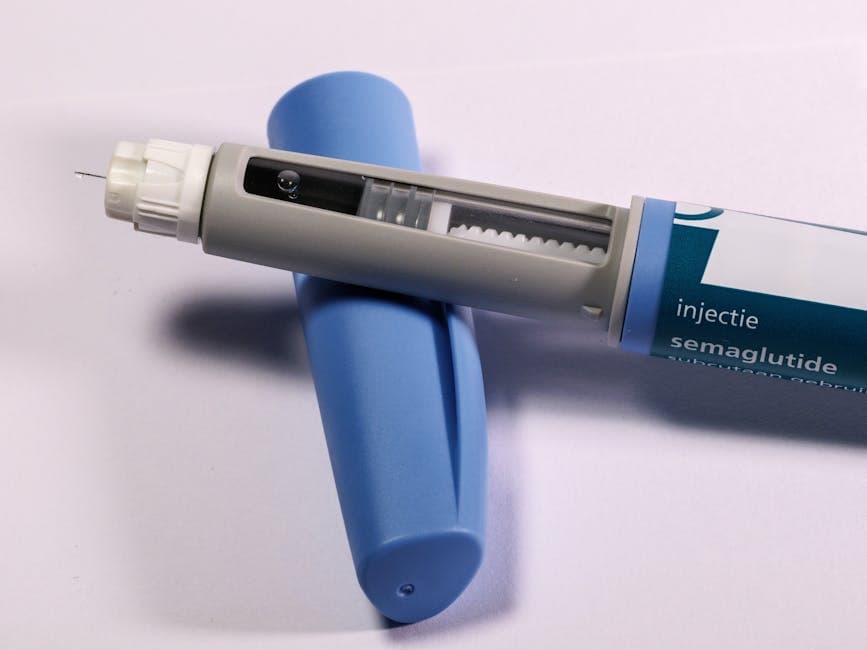
Medically reviewed by a licensed healthcare professional. Last updated April 2026.
Key Takeaways
- "GLP-1 supplements" is a marketing category that exploded after Ozempic went mainstream. Most products in it have no GLP-1 activity at all.
- Berberine, the most popular ingredient, shows about 1-3% weight loss in clinical trials. Wegovy at maintenance dose shows about 14.9%. Zepbound at 15mg shows about 21%. The real medications are 5 to 10 times more effective.
- Supplements get a small fraction of the FDA scrutiny that prescription drugs do. The "natural is safer" framing is a marketing claim, not a regulatory fact.
- A few supplements have legitimate supporting roles for patients on prescription GLP-1s: fiber for constipation, magnesium for sleep, basic micronutrients for the appetite suppression period.
- If you genuinely cannot access prescription GLP-1s, berberine is the most evidence-backed option in this space, but expect modest effects measured in single-digit pounds, not double-digit percentages.
I get the appeal. The prescription drugs are expensive, they require a doctor, the side effects can be rough, and you have to inject yourself every week. Meanwhile a TikTok creator is telling you berberine is "nature's Ozempic" and you can buy it on Amazon for $25 and skip the whole mess.
The problem is the comparison isn't real. I'm going to walk through what's actually in this category, what each thing actually does, and where supplements legitimately fit if you're going to take them. I'm not anti-supplement. I am very much anti the framing that has overtaken the wellness internet for the last two years, where every herbal pill is suddenly a "natural alternative" to a drug that works through a completely different mechanism.
What "GLP-1 supplement" usually means
The marketing category is fuzzy on purpose. Walk into a vitamin shop or scroll Instagram ads, and you'll see all of these grouped together:
- Berberine (an alkaloid from goldenseal and barberry, the actual evidence-backed entry in this list)
- Apple cider vinegar gummies (acetic acid, very modest effects on post-meal glucose)
- Fiber blends (psyllium, glucomannan, methylcellulose, marketed as "appetite control")
- Probiotics branded as "GLP-1 boosting" or "Akkermansia-supporting"
- Chromium picolinate (mineral, weak insulin sensitization)
- Cinnamon extracts (very weak glycemic effect)
- Branded blends at $60-90/month containing small doses of several of the above
A few of these have legitimate metabolic effects. None of them are GLP-1 receptor agonists. Calling them "GLP-1 supplements" is like calling a stationary bike a "natural Ferrari." Both move. The mechanism is not the same.
The real comparison, in numbers
Here is what people actually want to know. If I take the most studied supplement in this category at the right dose for long enough, how does it compare to the prescription drug it's being marketed against?
| Intervention | Mean weight loss | Duration | Quality of evidence |
|---|---|---|---|
| Berberine 500mg, 3x daily | 1-3% body weight | 12-16 weeks | Multiple small RCTs, meta-analyses |
| Apple cider vinegar 15-30ml daily | 1-2% body weight | 12 weeks | A few small studies |
| Glucomannan fiber 3g daily | 0.5-2% body weight | 8-12 weeks | Mixed, mostly small studies |
| Wegovy (semaglutide 2.4mg) | 14.9% body weight | 68 weeks | Phase 3 RCT, n=1,961 |
| Zepbound (tirzepatide 15mg) | 21% body weight | 72 weeks | Phase 3 RCT, n=2,539 |
The numbers are not close. They are not in the same ballpark. They are not in the same sport.
That's not a knock on berberine specifically. Berberine is genuinely interesting. It activates AMPK (the same enzyme metformin works through), modestly improves insulin sensitivity, and has some lipid-lowering effects. If you're prediabetic and looking for a low-cost intervention that has actual data behind it, taking 500mg three times a day with meals is reasonable. Just don't expect it to do what a GLP-1 does, because it doesn't.
The "boost your natural GLP-1" angle
The slightly-more-honest version of the marketing pitch is that certain foods and supplements raise your body's own GLP-1 secretion. This is true. Soluble fiber, certain prebiotics, protein-forward meals, specific fermented foods, all nudge endogenous GLP-1 release in the gut.
Here's the catch: your body's own GLP-1 has a half-life of about 2 minutes. It rises after a meal, drops within minutes, and the system goes back to baseline. The injectable drugs are chemically modified analogs designed to last days, not minutes. When the marketing copy says "boost your GLP-1 naturally," they're talking about a transient post-meal bump that does not produce sustained appetite suppression.
A high-fiber, high-protein meal makes you fuller for a few hours. A weekly semaglutide injection makes you not interested in food for seven days. Different mechanisms, different magnitudes, different categories of intervention.
Where supplements legitimately fit
I take supplements. Most clinicians do. I'm not a "food first, no pills" purist. So let me be specific about where supplements actually earn their place if you're on a prescription GLP-1, or considering one.
For patients already on a GLP-1:
- Soluble fiber (psyllium husk, 5-10g daily). Constipation is one of the most common GLP-1 side effects. Daily psyllium is the cheapest, best-evidence intervention.
- Magnesium glycinate (200-400mg evening). Some patients report sleep disruption on GLP-1s. Magnesium helps a meaningful subset.
- Basic multivitamin and B12. Appetite suppression means lower food volume. A simple insurance policy on micronutrient intake is reasonable, especially if you're eating less than 1,400 calories per day.
- Electrolytes during early titration. Nausea and lower fluid intake combined can produce mild dehydration. Sodium and potassium replacement helps.
For patients who can't access prescription GLP-1s:
- Berberine is the most defensible single-supplement choice, at a real research dose (500mg three times daily, with meals). Buy from a third-party-tested brand. Expect modest effects on weight and glucose.
- Glucomannan fiber before meals can produce real, if small, appetite reduction.
- A protein-forward eating pattern does more than any pill. Roughly 1g protein per pound of goal body weight, spread across meals.
What I'd skip:
- The branded "GLP-1 booster" subscriptions at $60-90/month. You can buy the same ingredients standalone for a fraction of the cost.
- Any product whose label leads with "Ozempic alternative" or "natural GLP-1." That's marketing copy, not pharmacology.
- ACV gummies as a standalone weight-loss strategy. The data is weak and the marketing is loud.
The cost reality check
Here's the math I run with patients who are weighing supplement stacks against prescription access. A monthly supplement stack of berberine, fiber, magnesium, and a multi runs about $40-60. A subscription "GLP-1 booster" runs $60-90. Compounded semaglutide through a legitimate telehealth provider runs $199-349 per month and has been getting cheaper. Branded Wegovy through NovoCare's pill program runs $149 per month for the starter doses.
The supplement stack is genuinely cheaper. It is also doing something quantitatively smaller. If your monthly budget is $50, supplements are the right answer. If your budget is $150-200 and you're prediabetic or have BMI over 30, the math shifts hard toward the prescription. The drug works five to ten times harder per dollar at that price point.
How to evaluate a supplement before buying
If you're going to do this, do it with the same skepticism you would apply to any other purchase. A few quick filters:
- Is the dose on the label what the research actually used? Most "blend" products contain microdoses of each ingredient that wouldn't reach the threshold seen in published trials.
- Does the product have third-party testing? USP Verified, NSF Certified, or ConsumerLab approval are reasonable proxies for label accuracy.
- What's the active ingredient on the front of the bottle? If the answer is "proprietary blend," you can't tell what's actually in it.
- What does the brand cite? A brand citing real published research on the active ingredient at the dose they're using is more trustworthy than one citing only their own internal testimonials.
The honest summary
The "natural Ozempic" framing has done genuine harm to people who needed real medical intervention and put off the conversation because they thought a supplement would substitute. Some of those people lost 1-3% body weight on berberine when they needed to lose 15-20% to get out of the metabolic risk zone. The marketing wasn't wrong about berberine working. It was wrong about what berberine works as.
If you have access to a prescription GLP-1 and a clinician who'll work with you, that's the intervention with the data. If you don't, berberine and a fiber-protein-forward eating approach are reasonable starting points, with realistic expectations.
What you should not do is pay $90 a month for a "GLP-1 boosting blend" and expect prescription-tier results. That math doesn't work, and the people selling it know.
If you want to find a clinician who actually has time to talk through whether prescription GLP-1s, supplements, or some combination makes sense for your situation, take our provider-matching quiz. The directory filters for clinics that work with cash-pay patients and have transparent pricing.