
Medically reviewed by our clinical advisory team. Last updated April 2026.
Before the Consultation: Are You a Candidate?
Before you book an appointment, it helps to understand the basic eligibility criteria for GLP-1 medications. While your provider will make the final determination, knowing where you stand can save time and set expectations.
Bring your insurance card, a list of current medications, and any recent blood test results to your first consultation. This speeds up the eligibility assessment and may help your provider submit insurance pre-authorization paperwork on the spot.
- A GLP-1 consultation typically takes 20-45 minutes depending on whether it is telehealth or in-person.
- You will need to meet specific BMI criteria (30+ or 27+ with comorbidities) to qualify for a GLP-1 prescription.
- Lab work is usually required before your first prescription, including a basic metabolic panel and A1C test.
- Your provider will develop a personalized titration schedule that gradually increases your dose over several weeks.
BMI requirements: FDA-approved GLP-1 medications for weight loss (Wegovy, Zepbound) require a BMI of 30 or higher, or a BMI of 27 or higher with at least one weight-related health condition. These conditions include type 2 diabetes, high blood pressure, high cholesterol, obstructive sleep apnea, or cardiovascular disease.
Not sure if you qualify? Take our GLP-1 eligibility quiz for a quick preliminary assessment. The quiz takes about 2 minutes and gives you an idea of whether you are likely to meet the criteria before committing to a paid consultation.
Prior weight loss attempts: Many insurance companies and some providers require evidence that you have tried other weight loss methods before prescribing GLP-1 medications. This might include documented attempts at dietary changes, exercise programs, or behavioral counseling. Having this history available can streamline the approval process.
Telehealth vs. In-Person: What Is Different?
The consultation process is broadly similar whether you visit a clinic in person or connect with a provider virtually, but there are practical differences worth understanding.
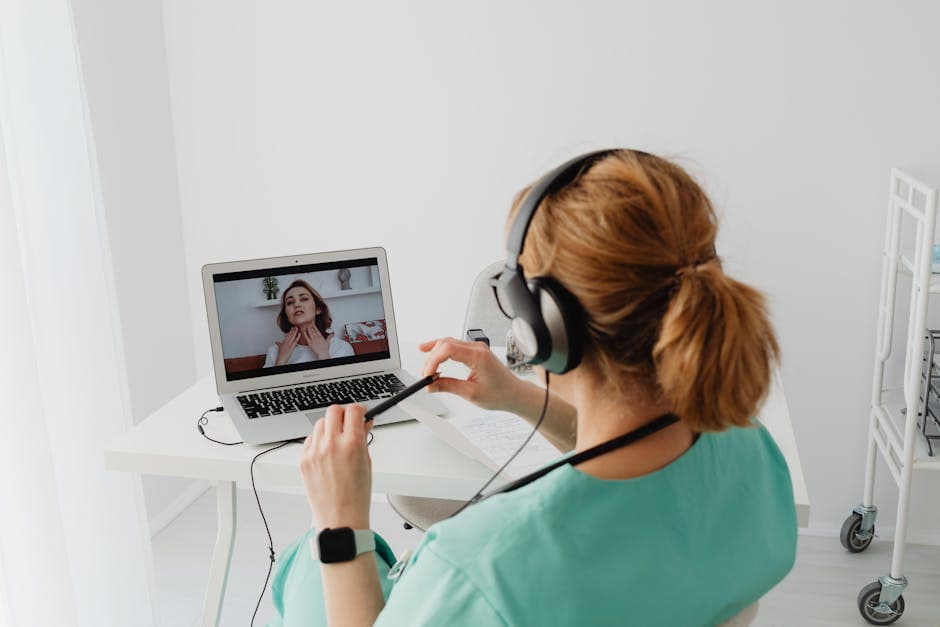
Telehealth consultations are conducted via video call or asynchronous messaging platforms. You submit your health information, photos, and medical history through the platform. A provider reviews everything and either schedules a live video call or sends you a treatment plan with questions. The entire process often takes 24-72 hours from sign-up to prescription.
Telehealth advantages include convenience (no commute, no waiting room), often lower consultation fees, and the ability to connect with specialized obesity medicine providers regardless of your location. Many telehealth platforms handle insurance prior authorizations on your behalf.
In-person consultations happen at a clinic, hospital-based weight management center, or physician's office. You will physically be there for measurements, lab draws, and face-to-face discussion. The visit typically lasts 30-60 minutes.
In-person advantages include the ability to get lab work done on-site, receive your first injection with hands-on guidance, and develop a more personal relationship with your provider.
For a detailed comparison, see our guide on telehealth vs. in-person GLP-1 clinics.
Step 1: Initial Screening and Medical History
Whether online or in-person, every GLP-1 consultation begins with a comprehensive medical history review. Your provider needs to understand your overall health picture before prescribing any medication.
What you will be asked about:
- Current height, weight, and waist circumference
- Weight history over the past 5-10 years (gaining trends, previous high/low weights)
- Previous weight loss attempts and their outcomes
- Current medications and supplements
- Chronic conditions (diabetes, hypertension, thyroid disorders, PCOS, etc.)
- Family medical history, particularly obesity, diabetes, and cardiovascular disease
- Surgical history, especially bariatric surgery
- Mental health history, including eating disorders
- Pregnancy status or plans (GLP-1 medications are contraindicated during pregnancy)
- Alcohol and tobacco use
Pro tip: Prepare a written summary of this information before your appointment. Having your medication list, dosages, and medical history organized will make the consultation smoother and ensure nothing important is missed.
Step 2: Physical Assessment and BMI Check
For in-person visits, your provider will take direct measurements. For telehealth, you may be asked to self-report or submit photos.
Standard measurements include:
- Height and weight for BMI calculation
- Blood pressure
- Waist circumference (a waist measurement above 35 inches for women or 40 inches for men indicates higher metabolic risk)
- Heart rate
Some clinics also perform a body composition analysis using devices like InBody or DEXA scans. These provide more detailed data than BMI alone, including body fat percentage, lean muscle mass, and visceral fat levels. Body composition testing is not required for a GLP-1 prescription but can be useful for tracking progress over time.
Your provider will calculate your BMI and confirm whether you meet the prescribing criteria. A BMI of 30 or higher qualifies you for GLP-1 weight loss medications. A BMI between 27 and 29.9 qualifies you if you also have a weight-related comorbidity.
Step 3: Lab Work
Lab work is a standard part of the GLP-1 consultation process. Most providers require recent lab results (within the past 3-6 months) before writing a prescription.
Commonly ordered labs:
- Basic metabolic panel (BMP): Checks kidney function, blood glucose, and electrolytes. This is important because GLP-1 medications affect blood sugar regulation.
- Hemoglobin A1C: Measures your average blood sugar over the past 2-3 months. This helps determine whether you have diabetes, prediabetes, or normal glucose metabolism.
- Lipid panel: Checks cholesterol and triglyceride levels. GLP-1 medications have been shown to improve lipid profiles.
- Thyroid function (TSH): GLP-1 medications carry a boxed warning about thyroid C-cell tumors in rodent studies. While the human risk is considered low, checking baseline thyroid function is standard practice.
- Liver function tests (ALT, AST): Evaluates liver health, which is relevant because non-alcoholic fatty liver disease is common in patients with obesity.
If you have had recent blood work through your primary care provider, bring copies of the results. This can save you the cost and time of duplicate lab orders.
In-person clinics often draw blood on-site during your consultation. Telehealth providers may send you a lab order for a local draw station (Quest Diagnostics or Labcorp) or accept uploaded results from your existing provider.
Step 4: Medication Selection
Once your provider has reviewed your history, measurements, and lab results, they will recommend a specific GLP-1 medication. The choice depends on several factors.
Key considerations in medication selection:
- Health conditions: If you have type 2 diabetes, Ozempic or Mounjaro may be preferred because they are FDA-approved for both diabetes management and blood sugar control. For weight loss alone, Wegovy or Zepbound are the dedicated options.
- Insurance formulary: Your insurance plan may cover one GLP-1 medication but not another. Your provider will consider what your plan covers before prescribing.
- Injection vs. oral: If you dislike injections, Rybelsus (oral semaglutide) offers a daily pill alternative.
- Dosing frequency: Semaglutide and tirzepatide are once-weekly injections. Liraglutide (Saxenda) requires daily injections. Most patients prefer the weekly schedule.
- Side effect profile: While all GLP-1 medications share common side effects (nausea, constipation, reduced appetite), some patients tolerate one medication better than another.
Compare all available options on our GLP-1 medications page.
Step 5: Titration Schedule and First Prescription
GLP-1 medications are never started at full dose. Every GLP-1 follows a titration schedule that gradually increases the dose over several weeks or months. This slow escalation minimizes side effects, particularly nausea and GI discomfort.
Example titration schedules:
- Semaglutide (Wegovy): 0.25mg for weeks 1-4, 0.5mg for weeks 5-8, 1mg for weeks 9-12, 1.7mg for weeks 13-16, 2.4mg (maintenance) from week 17 onward.
- Tirzepatide (Zepbound): 2.5mg for weeks 1-4, 5mg for weeks 5-8, then increases in 2.5mg increments every 4 weeks as tolerated, up to a maximum of 15mg.
Your provider will write your initial prescription at the starting dose and schedule a follow-up to assess your response before increasing.
Step 6: Your First Injection
If you are at an in-person clinic, your provider or a nurse may administer your first injection and walk you through the process. They will show you how to:
- Select and clean the injection site (abdomen, thigh, or upper arm)
- Attach the pen needle
- Dial the correct dose
- Administer the subcutaneous injection
- Safely dispose of the used needle
If you are using a telehealth provider, your medication ships to your home with detailed instructions. Most GLP-1 pen devices are designed for simplicity. The Ozempic and Mounjaro pens use a push-button mechanism that does not require you to manually handle a syringe.
Step 7: Follow-Up Schedule
Ongoing follow-up is essential for safe and effective GLP-1 therapy. Here is what a typical follow-up schedule looks like:
- Weeks 2-4: Brief check-in (often via message or phone) to assess side effects and tolerability at the starting dose.
- Week 4-6: First formal follow-up to evaluate your response, discuss side effects, and potentially increase the dose.
- Every 4-6 weeks during titration: Continued follow-ups at each dose escalation step.
- Every 2-3 months at maintenance dose: Once you reach your target dose, visits become less frequent but still regular.
Follow-ups typically include weight check, blood pressure, discussion of side effects, dietary adherence, and lab work at 3- and 6-month intervals.
Getting Started
If you are ready to take the first step, browse our directory of GLP-1 clinics to find providers near you, or explore telehealth options for a virtual consultation. Not sure which path is right for you? Our quiz can help point you in the right direction.
GLP-1 medications require a prescription and ongoing medical supervision. Always work with a licensed healthcare provider and verify that any telehealth platform or clinic uses board-certified clinicians and accredited pharmacies.
Sources
- American Board of Obesity Medicine: Clinical Practice Guidelines for GLP-1 Prescribing. 2025.
- Wegovy (semaglutide) Prescribing Information: Dosage and Administration. Novo Nordisk. 2024.
- Zepbound (tirzepatide) Prescribing Information: Dosage and Administration. Eli Lilly. 2024.
- Endocrine Society Clinical Practice Guideline: Pharmacological Management of Obesity. 2024.
- Obesity Medicine Association: Standards of Care for Obesity Treatment. 2025.