
 Reviewed by Dr. Golsa Gholampour, MD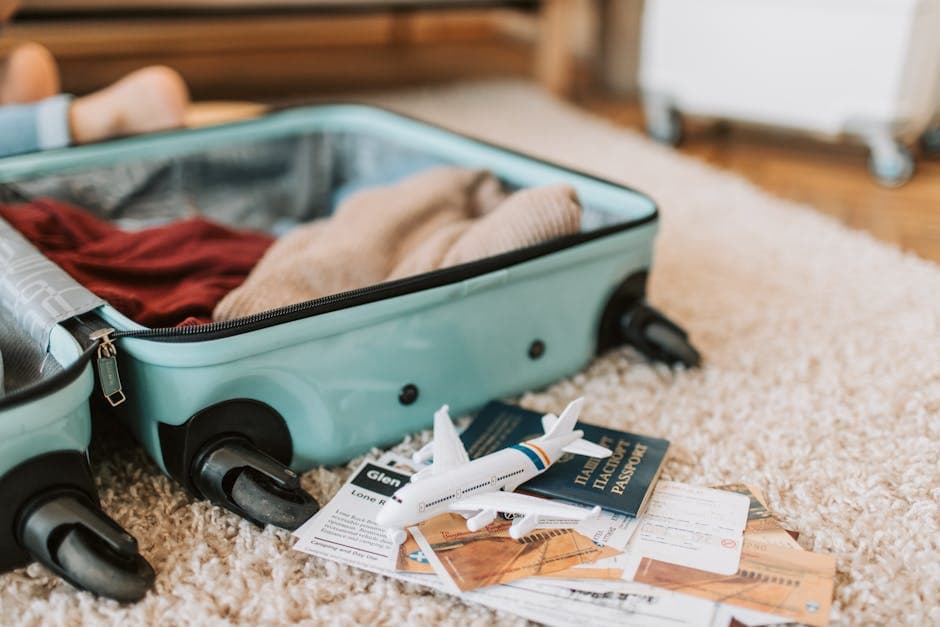
Medically reviewed by our clinical advisory team. Last updated April 2026.
TSA Rules for Injectable Medications
The Transportation Security Administration has clear policies about traveling with injectable medications. GLP-1 pens like Ozempic, Wegovy, Mounjaro, and Zepbound are all permitted in carry-on luggage. Here is what you need to know.
- TSA allows injectable medications including GLP-1 pens through security in carry-on bags with no quantity limit.
- You do not need a doctor's note to travel with GLP-1 injections, but keeping your prescription label visible is recommended.
- Storage limits vary by medication and device. Check the exact product label: labeled room-temperature allowances range from 21 to 56 days for the brand-name products discussed below.
- Never put GLP-1 pens in checked luggage. Cargo holds can reach freezing temperatures that destroy the medication.
Injectable medications are exempt from the TSA 3-1-1 liquids rule. You can bring your GLP-1 pen through security without placing it in a quart-sized bag. There is no quantity limit, so you can pack enough for an extended trip without concern.
You do not need a doctor's letter or special documentation to fly with your GLP-1 injection. However, keeping your medication in its original pharmacy packaging with the prescription label clearly visible will speed up the screening process. If a TSA agent has questions, the label quickly confirms that the medication is prescribed to you.
Needles and pen needles are also permitted when accompanied by the injectable medication. Used needle disposal containers (sharps containers) can go through security as well. Pack a small travel sharps container so you are not searching for proper disposal at your destination.
When you reach the security checkpoint, inform the TSA officer that you have injectable medications in your bag. You can request a visual inspection instead of having your medication go through the X-ray machine, though X-rays will not damage GLP-1 medications.
Temperature Storage During Travel
Proper temperature control is the most critical aspect of traveling with GLP-1 injections. These are biologic medications that can lose effectiveness if exposed to extreme temperatures.
Before first use: Most unopened GLP-1 pens should be refrigerated between 36-46 degrees F (2-8 degrees C), unless you are using the product's labeled room-temperature allowance. Follow the instructions for the exact brand and device you received.
Labeled room-temperature allowances (check the device):
- Ozempic multi-dose pen after first use: Up to 56 days at 59-86 degrees F (15-30 degrees C), or refrigerated
- Wegovy single-dose pen before cap removal: Up to 28 days at 46-86 degrees F (8-30 degrees C) in the original carton
- Mounjaro and Zepbound single-dose pens or vials: Up to a total of 21 days at no more than 86 degrees F (30 degrees C)
- Zepbound KwikPen: Discard after 30 days at room temperature, 30 days after first use, or four weekly doses, whichever comes first
- Saxenda in-use pen: Up to 30 days at 59-86 degrees F (15-30 degrees C), or refrigerated
Compounded semaglutide and tirzepatide products can have pharmacy- and formulation-specific storage instructions. Follow the label and instructions supplied by the dispensing pharmacy rather than applying a brand-name product's limit.
Never freeze your medication. If a GLP-1 pen has been frozen, do not use it. The protein structure of the active ingredient can be damaged by freezing, rendering the medication ineffective or potentially harmful.
Never leave medication in a hot car. Temperatures inside a parked car can exceed 140 degrees F in summer, well above the safe storage range.
For a deeper dive into refrigeration requirements, check out our guide on whether semaglutide needs to be refrigerated.
Best Travel Cooler Bags for GLP-1 Medications
A medical-grade travel cooler is essential for keeping your GLP-1 pens at the right temperature during transit. Here are the features to look for:
Evaporative cooling pouches such as FRIO wallets are designed to keep medication around 64-79 degrees F (18-26 degrees C), not at refrigerator temperature. They may help protect a product during its labeled room-temperature window, but they do not replace 36-46 degree F refrigeration when refrigeration is required. Confirm suitability for your exact medication with a pharmacist or the manufacturer.
Gel pack cooler bags use frozen gel packs inside an insulated pouch. These maintain refrigerator temperatures for 8-12 hours depending on ambient conditions. Make sure the gel pack does not directly touch the pen, as direct contact with a frozen pack can cause localized freezing.
Hard-sided medical coolers offer the longest temperature control (up to 36 hours) and the most protection against physical damage. These are ideal for international flights or multi-day road trips.
Whichever option you choose, consider packing a small digital thermometer to verify the temperature inside your cooler bag. This is especially valuable on long travel days.
Checked Luggage: Why You Should Never Do It
Never pack GLP-1 medications in checked luggage. There are three reasons this is a serious mistake.
First, cargo holds on aircraft are not temperature-controlled to the same standards as the cabin. Temperatures can drop well below freezing at cruising altitude, which will destroy biologic medications. Even cargo holds that are heated can have temperature fluctuations outside the safe range.
Second, checked bags can be lost, delayed, or misrouted. If your luggage does not arrive when you do, missing a dose of your GLP-1 medication can disrupt your treatment schedule.
Third, rough handling during baggage loading can damage pen mechanisms. A cracked pen or broken needle assembly means you cannot administer your medication.
Always carry your GLP-1 pens in your personal item or carry-on bag where you can monitor temperature and ensure the medication stays with you.
International Travel Considerations
Traveling outside the United States with GLP-1 medications requires additional preparation.
Carry your prescription documentation. While you do not need a letter for domestic U.S. flights, international customs may ask for proof that your medication is prescribed. Carry a copy of your prescription or a letter from your provider on their letterhead that includes your name, the medication name, and the reason for the prescription.
Research your destination's drug regulations. GLP-1 medications are approved in most countries, but regulations vary. Some countries may require an import permit for prescription medications. The U.S. Embassy website for your destination country usually lists medication import rules.
Plan for time zone changes. If you inject weekly (as with Ozempic or Mounjaro), shifting time zones by a few hours will not meaningfully affect your dosing schedule. Just take your next injection at your usual time in the local time zone. If you inject daily (Saxenda), try to maintain a consistent 24-hour interval.
Know where to get refills. If you are traveling for an extended period, research whether your medication is available at pharmacies in your destination country and whether your insurance covers international fills. Many telehealth providers can send prescriptions to pharmacies in different states, but international prescriptions are more complex. If you have relocated or need in-person care while traveling domestically, you can find a GLP-1 clinic near you for a local refill.
Oral GLP-1 Options: Simplifying Travel
One of the most practical benefits of oral GLP-1 medications is eliminating the injection-related travel hassle entirely. Rybelsus (oral semaglutide) does not require refrigeration, needles, sharps containers, or cooler bags.
Oral semaglutide tablets are stored at room temperature and treated like any other pill when going through security. There are no special TSA procedures, no temperature concerns during the flight, and no need for medical cooler bags.
If travel is a frequent part of your life and the injection logistics feel burdensome, ask your provider about oral options. You can compare all available GLP-1 medications to see which format fits your lifestyle best.
Practical Packing Checklist
Before your trip, run through this checklist:
- GLP-1 pen(s) with enough doses for your trip plus one extra
- Pen needles (bring extras in case of a bent or defective needle)
- Alcohol swabs for injection site preparation
- Travel cooler bag with gel packs or FRIO wallet
- Small sharps disposal container
- Prescription label or pharmacy paperwork
- Provider's contact information in case of medication questions
- Small digital thermometer for monitoring cooler temperature
- Copy of your prescription for international travel
Pack everything in your carry-on bag. Do a temperature check on your cooler bag before leaving for the airport and again when you arrive at your destination.
GLP-1 medications require a prescription and ongoing medical supervision. Always work with a licensed healthcare provider and verify that any telehealth platform or clinic uses board-certified clinicians and accredited pharmacies.
Sources
- TSA.gov: "Medication" (Carry-on and Checked Bag Policy). Updated 2025.
- Ozempic (semaglutide) Prescribing Information: Storage and Handling. Novo Nordisk. 2024.
- Mounjaro (tirzepatide) Prescribing Information: Storage and Handling. Eli Lilly. 2024.
- CDC Travelers' Health: Traveling with Medications. 2025.
- U.S. Customs and Border Protection: Traveling with Medication. 2025.
- Wegovy (semaglutide) Prescribing Information: Storage and Handling. Novo Nordisk. 2026.
- Zepbound (tirzepatide) Prescribing Information: Storage and Handling. Eli Lilly. 2026.
- Saxenda (liraglutide) Prescribing Information: Storage and Handling. Novo Nordisk. 2026.
- FRIO: Product temperature range and instructions for use. Accessed July 2026.