
Medically reviewed by a licensed healthcare professional. Last updated March 2026.
You were losing weight every week. The scale kept dropping, your clothes kept getting looser, and you started thinking this might actually be the thing that works long-term. Then somewhere around month four or five, everything just... stopped. The number barely budges. Your appetite suppression isn't what it used to be. And you're wondering if your body somehow outsmarted the medication.
- Weight loss plateaus on GLP-1 medications are normal and happen to the vast majority of patients, typically between weeks 20 and 60 depending on the medication.
- Your body fights back against weight loss through metabolic adaptation and hormonal shifts, not because the drug "stopped working."
- Dose adjustments, switching medications, protein optimization, and resistance training are all evidence-based strategies to push through a stall.
- The FDA recently approved semaglutide 7.2 mg (Wegovy HD), giving patients who plateau on 2.4 mg a new option.
Look, this happens to almost everyone. It's not that your semaglutide or tirzepatide broke. It's that your body is doing exactly what evolution programmed it to do: fight to hold onto its weight. The good news? There are real, evidence-based strategies to push through it.
When Do GLP-1 Plateaus Actually Hit?
The timing depends on which medication you're taking and how much weight you have to lose. Clinical trial data gives us a pretty clear picture [1][2].
| Timeframe | What's Happening | Typical Weight Loss Rate |
|---|---|---|
| Weeks 1-16 | Dose titration period, rapid appetite suppression kicks in | ~2% of body weight per month |
| Weeks 16-30 | Peak weight loss phase, medication at maintenance dose | ~1-1.5% per month |
| Weeks 30-50 | Weight loss slowing, metabolic adaptation building | ~0.5% per month |
| Weeks 50-68 | Plateau zone for most patients, weight stabilizes | Near zero for many |
In the STEP 1 trial, semaglutide patients hit their maximum weight loss around week 60, averaging 14.9% total body weight lost [1]. For tirzepatide, SURMOUNT-1 data showed plateaus arriving earlier in some cases: 24 weeks for people with overweight, 26 weeks for Class I obesity, and 36 weeks for Class II and III obesity [2]. That makes sense. The more weight you have to lose, the longer the medication has room to work before your body catches up.
Most plateaus last two to eight weeks. Some are longer, especially after significant weight loss. But here's the critical thing: a plateau does not mean the medication failed. It means your body reached a new equilibrium.
Why Your Body Fights Back
Metabolic Adaptation Is Real
When you lose weight, your body burns fewer calories. That's partly just physics (a smaller body needs less energy), but it goes beyond that. Your metabolism actually slows down more than it "should" based on your new size. Researchers call this metabolic adaptation or adaptive thermogenesis [3].
Here's what the numbers look like: your basal metabolic rate drops by around 5%, and your non-resting energy expenditure (all the moving around you do) drops by roughly 20%. For every kilogram of lean mass you lose, your resting energy expenditure drops by 13 to 15 calories per day [3]. That adds up fast.
Hormonal Pushback
Your hunger hormone ghrelin creeps back up as you lose weight, while satiety hormones decrease. The GLP-1 medication is still suppressing appetite, but it's fighting a stronger hormonal current. Think of it like swimming upstream. You're still swimming, but the river keeps pushing harder.
The Muscle Mass Problem
This is the one nobody talks about enough. Research suggests that up to 40% of the weight lost on high-efficacy GLP-1 medications can be lean body mass, not fat [3]. That's a big deal, because muscle is metabolically active tissue. Lose too much of it, and you're essentially turning down your body's calorie-burning furnace. This is one of the most common hidden causes of plateaus.
What Actually Works to Break Through
Talk to Your Prescriber About Dose Adjustments
If you're not on the maximum dose of your current medication, a dose increase is often the first move. The titration schedules exist for a reason, but some patients respond to a bump.
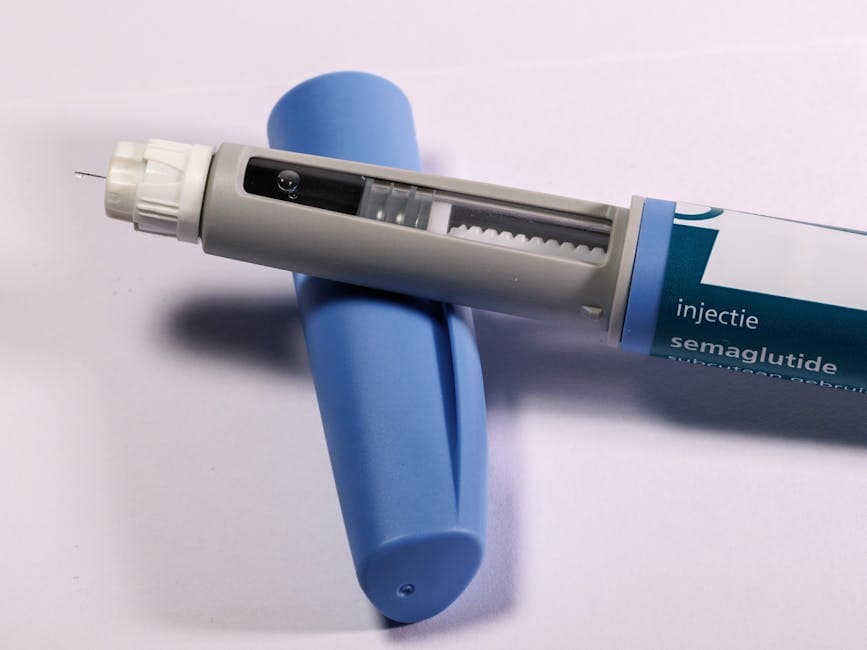
For semaglutide, the standard maximum was 2.4 mg weekly. But the FDA approved semaglutide 7.2 mg (Wegovy HD) in March 2026 for patients who've tolerated 2.4 mg for at least four weeks [4]. The higher dose produced 20.7% mean weight loss in trials, with nearly one in three patients losing 25% or more. That's a real option for people who plateaued on the standard dose.
For tirzepatide, the maximum is 15 mg weekly, with titrations in 2.5 mg increments every four weeks [5].
Consider Switching Medications
If you've maxed out on one GLP-1 and hit a wall, switching medications is a legitimate clinical strategy. The most common switch is semaglutide to tirzepatide, since tirzepatide works on both GLP-1 and GIP receptors (dual agonism), which can restart weight loss through a different mechanism.
A clinical study found that patients switching to tirzepatide 5 mg lost an additional 2.15 kg in just 12 weeks, with improvements in blood sugar and minimal side effects [6]. If you're considering this route, check out our guide to switching between GLP-1 medications for what to expect.
There's no validated dose equivalence between the two because they work on different receptor profiles, so your doctor will determine the right starting dose.
Prioritize Protein (Seriously)
A joint advisory from four major medical organizations (including the American Society for Nutrition and The Obesity Society) recommended specific nutritional priorities for GLP-1 patients [7]. The biggest one? Protein.
Aim for 0.6 to 0.75 grams of protein per pound of your goal body weight. Most GLP-1 patients drastically underestimate their protein intake because they feel full so quickly. A protein shake, Greek yogurt, or eggs at breakfast can make a real difference.
Start Resistance Training
You don't need to become a gym person. But two sessions per week of resistance exercise (weights, bands, bodyweight movements) sends a powerful signal to your body to hold onto lean mass [7]. Combined with adequate protein, this is the single best defense against the muscle-loss-driven metabolic slowdown that causes so many plateaus. Even 20 minutes twice a week makes a measurable difference.
Don't Eat Too Little
This sounds counterintuitive, but eating too few calories can stall weight loss. When intake drops too low, your body ramps up adaptive thermogenesis, hitting the brakes on calorie burning. If you're eating under 1,200 calories a day because the medication killed your appetite, talk to your doctor about ensuring adequate nutrition.
When to Seek a Second Opinion
If you've been on a maximum dose for three or more months with no progress and you're already doing the protein and exercise pieces, it might be time for a fresh perspective. Many telehealth providers specialize in obesity medicine and can review your full picture.
If you're just getting started on your GLP-1 journey, our week-by-week guide to your first month on semaglutide covers what to expect so you can set realistic expectations from day one.
The Bottom Line
A GLP-1 plateau is not a failure. It's biology. Your body is doing what it evolved to do, and the medication is still providing real metabolic benefits even when the scale isn't moving. Work with your prescriber to adjust your approach, whether that's a dose change, a medication switch, or lifestyle modifications that protect your lean mass.
The patients who get the best long-term results aren't the ones who never plateau. They're the ones who treat it as a signal to optimize, not a reason to quit.
Frequently Asked Questions
How long does a typical GLP-1 weight loss plateau last?
Most plateaus last between two and eight weeks. Some can stretch longer, particularly after significant weight loss. If your weight has been completely stalled for more than 12 weeks despite being on a maximum dose, it's worth discussing dose adjustments or medication changes with your prescriber.
Can your body become immune to semaglutide or tirzepatide?
Your body can develop anti-drug antibodies (ADAs), but they rarely affect how well the medication works. In clinical trials, about 4.3% of semaglutide patients and 51% of tirzepatide patients developed ADAs, but studies found no meaningful impact on weight loss effectiveness or drug levels in the blood [8].
Should I stop taking my GLP-1 medication if it stops working?
No. Stopping GLP-1 medication typically leads to significant weight regain. Even during a plateau, the medication is helping maintain your current weight loss and providing metabolic benefits. Work with your doctor to adjust your strategy rather than discontinuing treatment.
Is switching from semaglutide to tirzepatide worth it if I've plateaued?
For many patients, yes. Tirzepatide's dual GIP/GLP-1 mechanism offers a different pathway that can restart weight loss. Clinical data shows additional weight loss of around 2 kg in the first 12 weeks after switching [6]. However, the decision depends on your insurance coverage, side effect tolerance, and overall health picture.
Does the new 7.2 mg semaglutide dose help with plateaus?
The FDA approved Wegovy HD (semaglutide 7.2 mg) in March 2026 specifically for patients who tolerated 2.4 mg but need additional weight loss. Clinical trials showed 20.7% mean weight loss with the higher dose [4]. It's expected to be available starting April 2026.
What's the single most important thing I can do during a plateau?
Increase your protein intake and add resistance training. These two changes directly address the lean mass loss that drives most metabolic plateaus. Aim for at least 0.6 grams of protein per pound of goal body weight and two resistance training sessions per week.
Ready to start your weight loss journey? Find a GLP-1 clinic near you and connect with a qualified provider today.
GLP-1 medications require a prescription and ongoing medical supervision. Always work with a licensed healthcare provider and verify that any telehealth platform or clinic uses board-certified clinicians and accredited pharmacies.
Sources
- Once-Weekly Semaglutide in Adults with Overweight or Obesity (STEP 1)
- Time to weight plateau with tirzepatide treatment in the SURMOUNT-1 and SURMOUNT-4 clinical trials
- Physiology of the Weight Loss Plateau after Calorie Restriction, GLP-1 Receptor Agonism, and Bariatric Surgery
- FDA Approves Higher-Dose Semaglutide Under Accelerated Review Program
- Semaglutide and Tirzepatide Dosage Charts: A Complete Guide
- Switching to Tirzepatide 5 mg From GLP-1 Receptor Agonists: Clinical Expectations in the First 12 Weeks
- Nutritional Priorities to Support GLP-1 Therapy for Obesity: Joint Advisory
- Tirzepatide Immunogenicity on Pharmacokinetics, Efficacy, and Safety: Analysis of Data From Phase 3 Studies