
Last updated March 2026.
FDA Eligibility Criteria
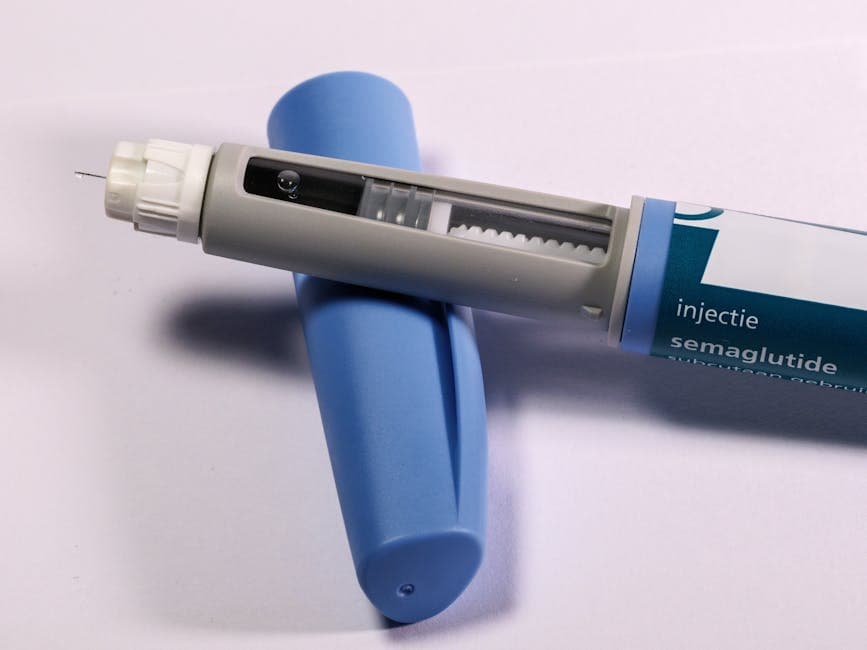
The FDA approved semaglutide (Wegovy) and tirzepatide (Zepbound) for chronic weight management in adults who meet specific criteria. These are not cosmetic weight loss medications — they are prescription treatments for a chronic medical condition [1][2].
- GLP-1 weight loss medications require a BMI of 30+ (obese) or 27+ (overweight) with at least one weight-related health condition .
- Qualifying conditions include type 2 diabetes, high blood pressure, high cholesterol, and obstructive sleep apnea.
- Contraindications include personal/family history of medullary thyroid cancer, MEN2 syndrome, and pregnancy.
- A licensed healthcare provider must evaluate your full medical history before prescribing.
Primary Requirement: BMI Threshold
| Category | BMI Range | Eligible? |
|---|---|---|
| Normal weight | 18.5 - 24.9 | No |
| Overweight | 25.0 - 26.9 | No (without qualifying condition) |
| Overweight with condition | 27.0 - 29.9 | Yes, with qualifying condition |
| Obese (Class I) | 30.0 - 34.9 | Yes |
| Obese (Class II) | 35.0 - 39.9 | Yes |
| Obese (Class III) | 40.0+ | Yes |
Qualifying Weight-Related Conditions (for BMI 27-29.9)
If your BMI falls between 27 and 29.9, you qualify if you also have at least one of these conditions:
- Type 2 diabetes — Even pre-diabetes may qualify with some providers
- Hypertension (high blood pressure) — Diagnosed or on medication
- Dyslipidemia (high cholesterol/triglycerides) — Diagnosed or on medication
- Obstructive sleep apnea — Diagnosed via sleep study
- Cardiovascular disease — History of heart attack, stroke, or established heart disease
Some providers also consider other obesity-related conditions such as fatty liver disease (NAFLD/NASH), polycystic ovary syndrome (PCOS), and osteoarthritis, though these are not explicitly listed in FDA labeling.
Who Should NOT Take GLP-1 Medications
Absolute Contraindications
These conditions disqualify you from GLP-1 therapy [1][2]:
- Medullary thyroid carcinoma (MTC): Personal or family history
- Multiple Endocrine Neoplasia type 2 (MEN2): Personal or family history
- Known hypersensitivity: Allergic reaction to semaglutide, tirzepatide, or any formulation components
- Pregnancy: GLP-1 medications are Category X — they should not be used during pregnancy. Discontinue at least 2 months before planned conception.
Relative Contraindications (Use with Caution)
These conditions don't automatically disqualify you, but require careful evaluation:
- History of pancreatitis — Higher risk of recurrence
- Severe gastrointestinal disease — Gastroparesis, inflammatory bowel disease
- Type 1 diabetes — GLP-1 medications are not approved for type 1 diabetes
- Severe kidney or liver disease — May require dose adjustment or closer monitoring
- Active eating disorder — Appetite-suppressing medications may worsen disordered eating patterns
- Breastfeeding — Limited safety data available
Common Misconceptions About Eligibility
"I'm not obese enough to qualify"
Many people underestimate their BMI. A 5'6" person weighing 190 pounds has a BMI of 30.7 — qualifying for treatment. A 5'10" person at 195 pounds has a BMI of 28 and would qualify with any weight-related health condition.
"I need to try diet and exercise first"
While some insurance plans require documented prior weight loss attempts for coverage approval, this is an insurance requirement — not an FDA requirement. From a medical standpoint, your provider can prescribe GLP-1 medications as a first-line treatment if you meet BMI criteria [3].
"I'm too old for these medications"
GLP-1 medications have been studied in adults of all ages. The STEP and SURMOUNT trials included participants up to age 75. Older adults may actually benefit from the cardiovascular protective effects demonstrated in the SELECT trial [4]. However, providers may monitor muscle mass more closely in older patients.
"I need a referral to a specialist"
No referral is needed. Any licensed physician, nurse practitioner, or physician assistant can prescribe GLP-1 medications. You can start with your primary care doctor or use a telehealth provider for convenient access.
How to Get Evaluated
Option 1: Your Primary Care Provider
If you have an existing relationship with a doctor, schedule an appointment to discuss GLP-1 medications. Bring:
- Your current weight and height measurements
- List of current medications
- Recent lab work (if available)
- Documentation of weight-related conditions
Option 2: Telehealth Consultation
Online providers offer quick eligibility assessments, often within 24-48 hours. Most include a comprehensive health questionnaire that screens for eligibility and contraindications. Compare telehealth options on our provider comparison page.
Option 3: [Weight Loss Clinic](/glp1-clinics)
Specialized weight loss clinics offer the most thorough evaluations, including body composition analysis, metabolic testing, and comprehensive lab panels. Find clinics in your area using our GLP-1 clinic directory.
GLP-1 medications require a prescription and ongoing medical supervision. Always work with a licensed healthcare provider and verify that any telehealth platform or clinic uses board-certified clinicians and accredited pharmacies.
What Happens During Your Evaluation
A proper GLP-1 eligibility evaluation includes:
- Medical history review — Past and current health conditions, surgeries, hospitalizations
- Medication review — Current prescriptions, supplements, over-the-counter drugs
- BMI calculation and body composition assessment
- Screening for contraindications — Thyroid history, pregnancy status, allergies
- Lab work (may be required) — A1C, thyroid panel, metabolic panel, lipid panel
- Treatment goal discussion — Expected outcomes, timeline, and commitment to ongoing care
Ready to start your weight loss journey? Find a GLP-1 clinic near you and connect with a qualified provider today.
Medical Disclaimer: This content is for informational purposes only and does not constitute medical advice, diagnosis, or treatment. Individual results vary. Always consult a qualified healthcare provider before starting, stopping, or changing any medication. If you are experiencing a medical emergency, call 911.
Sources
- FDA. Wegovy (semaglutide) Prescribing Information. https://www.accessdata.fda.gov/drugsatfda_docs/label/2021/215256s000lbl.pdf
- FDA. Zepbound (tirzepatide) Prescribing Information. https://www.accessdata.fda.gov/drugsatfda_docs/label/2023/217806s000lbl.pdf
- American Association of Clinical Endocrinology. Clinical Practice Guideline for Obesity. https://pro.aace.com/disease-state-resources/nutrition-and-obesity
- Lincoff AM, et al. "Semaglutide and Cardiovascular Outcomes in Obesity without Diabetes (SELECT)." New England Journal of Medicine. 2023;389:2221-2232.