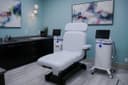
AI
Alpha IV Therapy
clinic
★ 5.0(5 reviews)
ListedIn-Person
We evaluated Tulsa's GLP-1 providers and ranked the top 10 based on patient ratings, verified reviews, provider credentials, pricing transparency, and telehealth availability. These clinics average a 5.0-star rating and represent the best options for GLP-1 treatment in Tulsa, Oklahoma.
For keyboard navigation, use the clinic list adjacent to this map.
5
Avg Rating
120 total reviews
100%
4+ Stars
of top 10
10
Accept Insurance
confirmed of 10
Call to verify
Telehealth
not yet verified
Our rankings are based on a weighted scoring system that considers multiple factors. Patient ratings carry the most weight, followed by the number of verified reviews, provider credentials (including ABOM board certification in obesity medicine), and verification level. We also factor in pricing transparency, whether the clinic is accepting new patients, and telehealth availability. Clinics that provide clear pricing information, accept insurance, and offer flexible visit options score higher because these factors directly affect your ability to access and afford treatment. Every clinic listed has been verified through NPI Registry data.
Medical weight loss programs prescribing GLP-1 injections in Tulsa, Oklahoma average between $149 and $299 per month. This includes semaglutide (Ozempic, Wegovy) and tirzepatide (Mounjaro, Zepbound) treatment plans. Prices vary by provider and medication type. 0 weight loss doctors in Tulsa publish their pricing. Many obesity medicine specialists offer payment plans or accept insurance to reduce out-of-pocket costs.
10 weight loss clinics prescribing GLP-1 medications in Tulsa accept health insurance.
Tulsa clinic listings most often name Semaglutide (Ozempic/Wegovy), Tirzepatide (Mounjaro/Zepbound). Listings show what clinics advertise; confirm the medication you want with the clinic before booking. Your provider recommends the treatment based on your health history, BMI, and goals. Compare all GLP-1 weight loss medications.
Showing 20 of 29 clinics
Oklahoma is honest about its health challenges in a way that other states aren't, and Tulsa's GLP-1 market reflects that directness. The state's obesity rate sits above 36%, with rates among Hispanic Oklahomans reaching 46%. Tulsa County specifically reports around 21% obesity prevalence, but the broader health picture includes elevated diabetes and cardiovascular disease rates that make weight management a serious medical priority, not a cosmetic one. The providers doing the best work here treat GLP-1 medications as part of a clinical strategy, not a quick fix.
Tulsa's layout is manageable by big-city standards, but the neighborhoods have distinct personalities that shape where you'll find providers. Brookside is the walkable, brunch-and-boutique corridor. Cherry Street is where the creative energy lives, with galleries and local restaurants along a historic strip. Midtown has the Philbrook Museum, the farmers market, and an established residential feel. South Tulsa sprawls toward Broken Arrow and Bixby. The Greenwood District carries the weight of the 1921 Race Massacre and the legacy of Black Wall Street. Most clinics cluster in Midtown and south Tulsa, but telehealth extends access across the metro and into the surrounding towns.
Tulsa food is not messing around. The fried onion burger is an Oklahoma institution born in the Depression, and Hank's Hamburgers has been pressing patties for 75 years. BurnCo Barbeque earned an Alton Brown endorsement and runs a side operation out of Cain's Ballroom during concerts. Pancho Anaya was named one of America's 100 best bakeries by Food and Wine. Brownie's has been slinging burgers and homemade root beer since 1956. Daylight Donuts was founded here and remains headquartered in Tulsa. The best GLP-1 providers in T-Town know that telling someone to skip Hank's entirely is a losing strategy. They help you navigate the food you actually eat.
One thing outsiders miss about Tulsa: the city has been investing heavily in attracting remote workers through the Tulsa Remote program, which means the patient base now includes tech transplants from the coasts alongside longtime Oklahomans. These groups have different healthcare expectations and different relationships with food. The providers who thrive here serve both without condescending to either.
Tulsa GLP-1 programs range from $175 to $500 a month. Oklahoma's lower cost of living keeps pricing more accessible than coastal markets. Compounded semaglutide options start below $200 at several providers.
SoonerCare, Oklahoma's Medicaid program, does not currently cover medications used primarily for obesity treatment. This pushes most Tulsa Medicaid patients to cash-pay options. Commercial insurance coverage varies, and many plans require prior authorization with a BMI over 30.
Yes. Providers are concentrated in Midtown, Brookside, and south Tulsa along the 71st Street and Memorial corridors. Cherry Street and the downtown area also have options. Telehealth serves patients in Broken Arrow, Bixby, Owasso, and the surrounding communities.
We email when local providers open, change pricing, or start accepting new patients.
This site is for educational purposes only and is not medical advice. Always consult a healthcare provider before starting any medication. Full disclaimer



10 GLP-1 clinics in Tulsa are currently accepting new patients. Availability can change, so we recommend contacting the clinic directly to confirm openings and schedule your first consultation.


Yes. Oklahoma allows telehealth prescribing for GLP-1 medications. While Tulsa's traffic isn't brutal by national standards, virtual follow-ups are still convenient and extend access to patients in Broken Arrow, Jenks, Sand Springs, and other Tulsa metro communities.
The Tulsa Remote program has brought tech workers from both coasts into the city, creating a patient base with higher healthcare expectations and often better insurance coverage. Local providers are adapting to serve both these transplants and longtime Tulsans.
ABOM certification, transparent pricing, and a program that includes nutritional guidance grounded in how Oklahomans actually eat. Avoid providers who offer generic meal plans that ignore the reality of Tulsa's food culture. Structured monitoring and regular check-ins are essential.
Monthly GLP-1 medication programs in Tulsa typically cost between $149 and $299. Prices depend on the specific medication (semaglutide vs. tirzepatide), whether you use branded or compounded versions, and your insurance coverage. Some clinics offer payment plans.
10 GLP-1 clinics in Tulsa list that they accept insurance. Listing a plan does not confirm GLP-1 medication coverage. Contact the clinic directly and verify benefits with your insurer before your visit.
Yes. 10 GLP-1 clinics in Tulsa are currently accepting new patients. Availability can change, so we recommend scheduling your consultation promptly to secure a spot.
Tulsa clinic listings most often name Semaglutide (Ozempic/Wegovy), Tirzepatide (Mounjaro/Zepbound). A listing reflects what a clinic advertises, not confirmed stock or your eligibility, so check the specific medication with the clinic. Your provider decides what to prescribe based on your health history, goals, and coverage.
Use our directory to browse 29 verified weight loss doctors and obesity medicine specialists in Tulsa, Oklahoma. Filter by medication (semaglutide, tirzepatide), insurance accepted, and telehealth availability to find the right provider for your needs.
Monthly GLP-1 programs in Tulsa start around $149. Compounded semaglutide is typically the most affordable option. Some clinics offer free initial consultations and payment plans. Check with your insurance provider, as many plans now cover FDA-approved weight loss injections like Wegovy and Zepbound.
Most medical weight loss clinics in Tulsa do not require a referral. You can schedule a consultation directly with an obesity specialist or weight management provider. Some insurance plans may require a referral from your primary care physician for coverage purposes.
GLP-1 Medications
Compare Ozempic, Wegovy, Mounjaro, and more