★ 5.0(15 reviews)
ListedIn-Person
We evaluated Albuquerque's GLP-1 providers and ranked the top 10 based on patient ratings, verified reviews, provider credentials, pricing transparency, and telehealth availability. These clinics average a 5.0-star rating and represent the best options for GLP-1 treatment in Albuquerque, New Mexico.
For keyboard navigation, use the clinic list adjacent to this map.
5
Avg Rating
623 total reviews
100%
4+ Stars
of top 10
3
Accept Insurance
confirmed of 10
5
Offer Telehealth
confirmed of 10
Our rankings are based on a weighted scoring system that considers multiple factors. Patient ratings carry the most weight, followed by the number of verified reviews, provider credentials (including ABOM board certification in obesity medicine), and verification level. We also factor in pricing transparency, whether the clinic is accepting new patients, and telehealth availability. Clinics that provide clear pricing information, accept insurance, and offer flexible visit options score higher because these factors directly affect your ability to access and afford treatment. Every clinic listed has been verified through NPI Registry data.
3 weight loss clinics prescribing GLP-1 medications in Albuquerque accept health insurance. An additional 7 clinics offer cash-pay options for patients without coverage.
Yes. 5 weight loss doctors serving Albuquerque offer virtual GLP-1 consultations, allowing you to get a semaglutide or tirzepatide prescription and have medication shipped to your door without an in-person visit. Compare top telehealth GLP-1 providers.
Albuquerque clinic listings most often name Semaglutide (Ozempic/Wegovy), Tirzepatide (Mounjaro/Zepbound). Listings show what clinics advertise; confirm the medication you want with the clinic before booking. Your provider recommends the treatment based on your health history, BMI, and goals. Compare all GLP-1 weight loss medications.
Showing 20 of 45 clinics
Albuquerque's GLP-1 market runs through three health systems: Presbyterian Healthcare Services, UNM Health, and Lovelace. Presbyterian is the dominant player, a locally owned system covering one in three New Mexicans with the state's largest hospital at 453 beds. UNM Health brings academic depth as the only Level 1 trauma center in New Mexico. Independent weight loss clinics have been growing along Montgomery Boulevard, Coors Boulevard, and in the Uptown area. Competition is healthy, but patients should verify that independent providers offer more than just injections.
The city stretches along the Rio Grande in a north-south corridor, with the Sandias walling off the eastern edge and the West Mesa extending toward the volcanoes. The Heights, Nob Hill, and the UNM area cluster east of I-25. The Westside has grown rapidly with medical offices along Coors Boulevard. Driving across on I-40 during rush hour takes 30 to 45 minutes, and the Big I interchange where I-25 and I-40 meet is where everyone's patience goes to die. Telehealth saves real time in a city that sprawls wider than most people expect.
Green chile is not a condiment in Albuquerque. It's a way of life. "Red or green?" is the official state question, and if you answer "Christmas" you're getting both. Frontier Restaurant across from UNM has been serving green chile stew and massive cinnamon rolls since 1971. Blake's Lotaburger is the local chain most residents would defend to the death, with green chile cheeseburgers that have no business being that good from a drive-through. A provider who tells an Albuquerque patient to "cut out spicy food" has already lost the room.
Albuquerque's median household income sits around $61,500, well below the national average. Brand-name Wegovy at $1,000-plus per month is not feasible for most without strong insurance. Compounded semaglutide in the $200 to $400 range is the practical option. Presbyterian and UNM employee plans have better formulary coverage, but the broader population, including the 48% who identify as Hispanic, often relies on Medicaid or self-pay. Bilingual care should be a given at every Albuquerque provider, not an afterthought.
Monthly GLP-1 programs in Albuquerque typically run $200 to $400 for compounded semaglutide and $500 to $1,100 for brand-name Wegovy or Zepbound. Albuquerque pricing is generally lower than coastal cities. Clinics along Montgomery Boulevard and in the Uptown area offer several competitive options.
Many commercial plans in New Mexico cover GLP-1 medications with prior authorization for patients meeting BMI criteria. Presbyterian and UNM employer plans tend to have favorable formulary coverage. New Mexico Medicaid (Centennial Care) coverage for weight loss GLP-1 medications varies by managed care organization.
Yes. With 48% of Albuquerque identifying as Hispanic and deep multi-generational Spanish-speaking roots, most major health systems have bilingual staff. Presbyterian, UNM, and Lovelace all offer Spanish-language services. Independent clinics in Albuquerque should have bilingual capability as well, given the demographics.
We email when local providers open, change pricing, or start accepting new patients.
This site is for educational purposes only and is not medical advice. Always consult a healthcare provider before starting any medication. Full disclaimer
¿Prefiere leer en español?


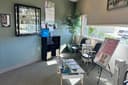

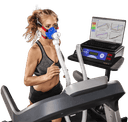
10 GLP-1 clinics in Albuquerque are currently accepting new patients. Availability can change, so we recommend contacting the clinic directly to confirm openings and schedule your first consultation.
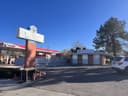
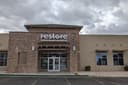


Yes. New Mexico allows telehealth prescribing for GLP-1 medications after a virtual evaluation. Given Albuquerque's sprawl from the Westside to the Heights, telehealth follow-ups save significant drive time. Most providers offer virtual check-ins for ongoing dosage adjustments and monitoring.
Albuquerque has three competing health systems, which creates more options than most mid-sized Western cities. But New Mexico's low median income means cost sensitivity is high, and the market leans heavily toward compounded medications. The deep Hispanic cultural roots also mean bilingual care is a baseline expectation, not a perk.
Look for board certification in obesity medicine, endocrinology, or internal medicine. UNM Health's academic programs and Presbyterian's bariatric surgery program set the clinical benchmark. For independent clinics, verify they include metabolic labs, structured follow-up, and dietary guidance tailored to New Mexican food culture.
3 GLP-1 clinics in Albuquerque list that they accept insurance. Listing a plan does not confirm GLP-1 medication coverage. Contact the clinic directly and verify benefits with your insurer before your visit.
Yes. 5 providers serving Albuquerque offer telehealth GLP-1 consultations. New Mexico permits telehealth prescribing for weight loss medications. You can complete your consultation via video call and have medication shipped directly to your home.
Yes. 10 GLP-1 clinics in Albuquerque are currently accepting new patients. Availability can change, so we recommend scheduling your consultation promptly to secure a spot.
Albuquerque clinic listings most often name Semaglutide (Ozempic/Wegovy), Tirzepatide (Mounjaro/Zepbound). A listing reflects what a clinic advertises, not confirmed stock or your eligibility, so check the specific medication with the clinic. Your provider decides what to prescribe based on your health history, goals, and coverage.
Use our directory to browse 45 verified weight loss doctors and obesity medicine specialists in Albuquerque, New Mexico. Filter by medication (semaglutide, tirzepatide), insurance accepted, and telehealth availability to find the right provider for your needs.
Most medical weight loss clinics in Albuquerque do not require a referral. You can schedule a consultation directly with an obesity specialist or weight management provider. Some insurance plans may require a referral from your primary care physician for coverage purposes.
GLP-1 Medications
Compare Ozempic, Wegovy, Mounjaro, and more